Asbestos in Older North Texas Homes: Where It Can Hide Before You Renovate
Many older building materials can contain asbestos, and the trouble starts when they are disturbed.
October 17, 2026 · 3 min read
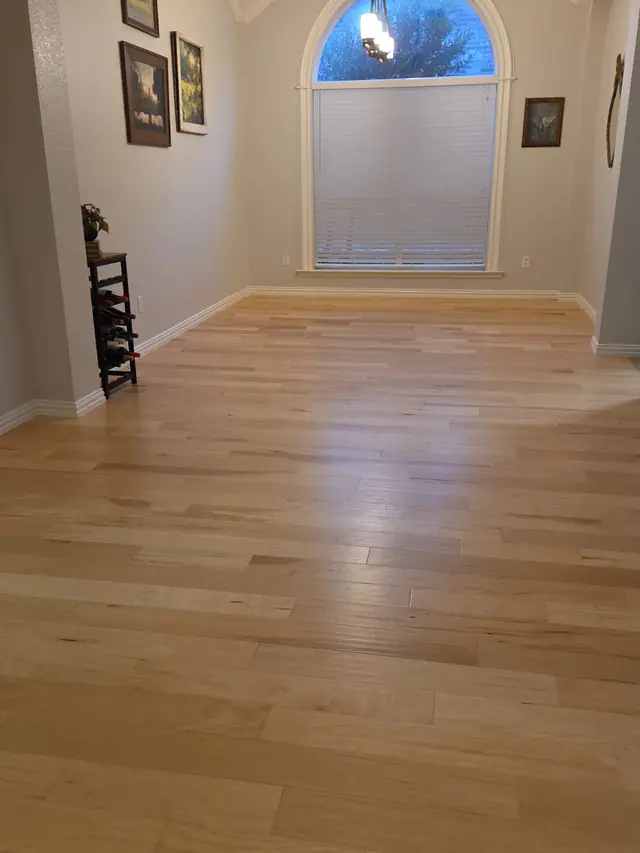
You are about to take out a wall, pull up old flooring, or deal with a storm-damaged attic. Before the first swing of a hammer, one question matters in an older house: could any of this material contain asbestos? You cannot tell by looking, and the answer changes how the work should be done.
Why disturbing it is the problem
Asbestos is a mineral fibre that was used in many building products. Material that stays intact and untouched is a different situation from material that is broken, cut or crumbling. Paschall Restoration explains it this way: asbestos fibres become airborne when older buildings are renovated or demolished, and exposure is also possible after wind, rain or storm damage.
That second point matters in North Texas. A storm that tears at a roof, siding or an attic can break up materials that had been sitting undisturbed, and the cleanup that follows can break them up further. Hail, high wind and driving rain are all common here, and a roof or attic opened by weather is exactly the kind of damage that calls for a careful look before anyone starts hauling debris.
Where it can hide
Paschall Restoration publishes a long list of materials that may contain asbestos. Walk through your own house with it in mind:
- Drywall and tiles
- Roofing shingles and siding
- Insulation in the roof, attic, ductwork, wiring and pipes
- Artificial ashes and embers used in gas fireplaces
- Older stove-top pads
- Wall and floor protection around wood stoves, including asbestos paper, millboard and cement sheets
- Some vinyl floor tiles, and the backing and adhesives under them
- Hot water and steam pipes
- Furnace insulation and furnace door gaskets
- Boilers
- Soundproofing and decorative materials
This list describes where asbestos may be, not where it is. A material on it is a reason to have a sample tested by a qualified lab before work begins. It is not proof, and it is not permission to guess.
Do not disturb suspect material yourself
Say it plainly: do not disturb suspect material yourself. Do not sand it, scrape it, drill it, break it up or sweep it dry, and do not run a household vacuum over it, which can push fine fibres into the air. Do not pull apart old pipe wrap or ceiling texture because it looks loose.
If you think you may have disturbed something already, this is the order that helps:
- Stop the work and keep people and pets out of the area.
- Turn off fans and the heating and cooling system if they would move air through the space.
- Leave debris where it is rather than sweeping or bagging it.
- Take photos from a safe distance and note what you were doing when you stopped.
- Call a trained professional before anything else is touched.
After a storm
Storm damage adds pressure to act fast: tarps, board-up, wet insulation, torn siding. Emergency board-up is routine work, but in an older home the wet insulation, ceiling texture or fallen siding may be one of the materials above. Tell whoever is securing the property how old the building is, and ask before anything is torn out.
Paschall Restoration's emergency board-up team is on call to secure a storm-damaged property with temporary repairs and to help with cleanup, and its abatement crews are trained and certified for asbestos removal, encapsulation, enclosure and repair.
Removal, encapsulation and enclosure
These are three different ways of dealing with asbestos-containing material, and the right one depends on its type, condition and location. Removal takes the material out of the building. Encapsulation seals it with a coating so the fibres stay locked in. Enclosure builds a barrier around it so it cannot be touched or damaged.
A trained team chooses among them after looking at the material, and then handles the repair afterward. That last step matters, because a wall or ceiling opened for abatement still has to be closed and finished before the room is usable again. Paschall Restoration lists repair as part of the work, so the same crew does not leave you with an open wall.
Before your next project
If you own an older home and are planning renovation, or you are looking at storm damage you did not expect, call 866.336.4070 before you start. The line is answered 24 hours a day, 7 days a week, and Paschall Restoration serves homes across Dallas, Fort Worth, Arlington, Plano, Denton and the surrounding North Texas cities. A short call costs far less than a contaminated house.
Paschall Restoration, 866.336.4070
Call 866.336.4070More articles
What to Do in the First Hour After Water Gets Into Your House
The first hour decides how much of your home can be dried instead of torn out, so the order of your steps matters.
Why Smoke and Soot Reach Rooms the Fire Never Touched
A fire can stay in one room while smoke travels through the whole house, which is why cleanup reaches further than the char.