Water damage · 24hr mitigation
Water damage restoration and structural drying for Dallas Fort Worth homes
From the first call to the finished floor: emergency water removal by our own trained staff, categorised and monitored drying, and the repairs after.
A wet ceiling, a soaked floor and a clock that is already running
Water damage rarely announces its size. A supply line lets go behind a wall, a water heater splits, a storm pushes rain through the roof, and by the time you see the stain the drywall, the insulation and the subfloor have been drinking for hours. The visible puddle is the small part. What stays hidden is the moisture climbing the wall and settling under the oak, which is why a mop and a box fan never finish the job.
Not all water is the same, and the difference decides how the room is handled. Clean supply water, grey water from an appliance and contaminated water from a sewage backup or floodwater each call for a different level of caution, and how long the water has stood changes it again. Guessing wrong either costs you flooring you could have saved or leaves something behind that should have come out.
If the water is rising or the ceiling is sagging, call 866.336.4070 any hour. The emergency line is answered 24 hours a day, 7 days a week, and the crew aims to be on site in about an hour. That speed matters because every hour of standing water makes the second half of the job bigger.
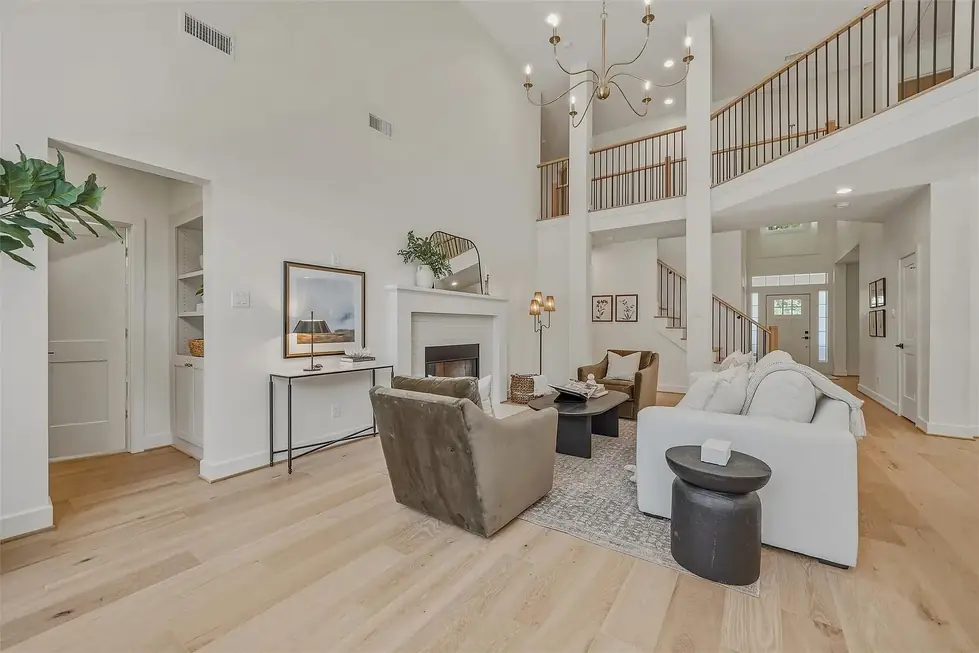
Finished two-storey living room with a new oak floor, from the Paschall Construction Group gallery
Seven stages, from the first inspection to the day it is signed off
Paschall Restoration runs water jobs in a fixed order. It starts with Loss Assessment and Evaluation, an inspection and estimate that maps where the water went. Next come Water Sanitary Categorization and Water Damage Classifications, which sort how contaminated the water is and how much of the structure it reached. Those two steps set the drying plan, so nothing gets pulled out or kept on a hunch.
The Drying Process follows, with 24-Hour Emergency Water Removal done by our own professionally trained staff rather than a subcontractor you have never met. Extraction comes first, then drying equipment is set to pull moisture out of the framing, the subfloor and the drywall. IICRC certified crews run the job from the first hose to the last reading.
Structural and Contents Restoration comes next, then Monitoring, where the moisture readings are checked until the structure is actually dry, and finally Completion. Your insurance company is billed direct, so you are not fronting the cost of mitigation while a claim is pending. The office works with your adjuster from the first estimate onward.
After the drying: floors, drywall and the rebuild under one family name
Dry is not the same as finished. Once the structure reads dry, wet baseboard, swollen drywall and cupped flooring still have to come out or be repaired, and that is the point where many jobs change hands. Paschall Restoration passes the work to its sister company, Paschall Construction Group, at the same 2802 Singleton St. address in Rowlett, so the family that dried the house is the family that rebuilds it.
Construction Group crews handle the demolition, flooring, tile, cabinetry and paint that put the room back. Customers on Google describe installers who cleaned up behind themselves and moved the furniture back exactly where it was. The oak-floored living room pictured here is a finished room from the Construction Group gallery, shown as the standard the rebuild works toward.
Skipping the monitoring or the repair is how a small leak becomes a second claim. Damp framing grows mold, finishes lift, and stains return through fresh paint. If that has already happened, Paschall's certified mold specialists work within the assessment and protocol set by an environmental company, with the dry-out and repair handled in the same job.
IICRC certified crews. Insurance billed direct. 866.336.4070, any hour.